As an Amazon Associate I earn from qualifying purchases.
Learn more REFRIGERATOR + FREEZER BACKUP
Keep your food cold. A fuel generator can cover longer outages with a safe outdoor location and fuel plan. A battery works indoors, but its runtime depends on your appliances’ actual energy use.
THREE PRACTICAL STARTING POINTS
Choose by your setup, then check the numbers. Research-based comparisons, not hands-on testing. Prices and stock change; check the exact listing.
Affiliate disclosure: As an Amazon Associate I earn from qualifying purchases.
Compact gasoline option
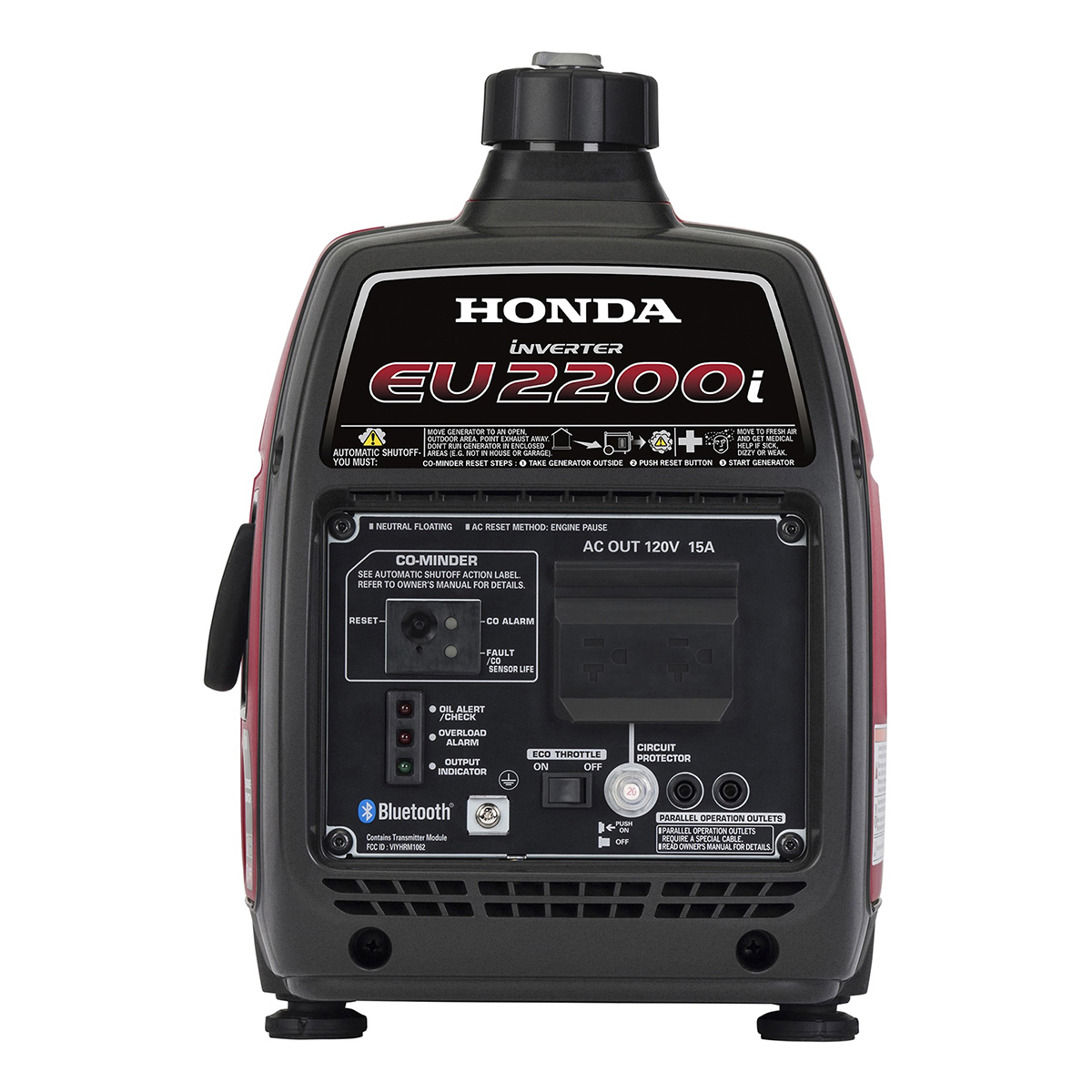
Manufacturer image · Honda specifications Honda EU2200i 1,800W rated · 2,200W maximum · 120V
For a modest refrigeration load when portability matters. Start appliances separately and check the combined running demand.
Know the limit: Gasoline only. Less headroom for two compressor starts or additional appliances.
Check Honda EU2200i on Amazon ↗ More headroom + two fuels
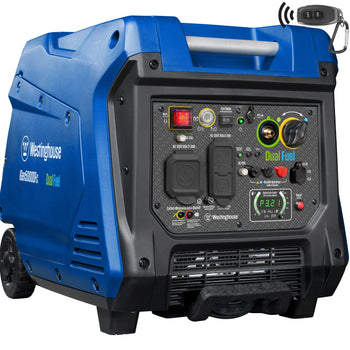
Manufacturer image · Westinghouse specifications Westinghouse iGen5000DFc 3,900W rated on gas · 3,500W on propane · 120V
For a refrigerator, freezer and other measured essentials when a smaller generator leaves too little margin.
Know the limit: Larger and heavier. Output drops on propane. A single unit does not supply 240V.
Check Westinghouse iGen5000DFc on Amazon ↗ Indoor battery bridge
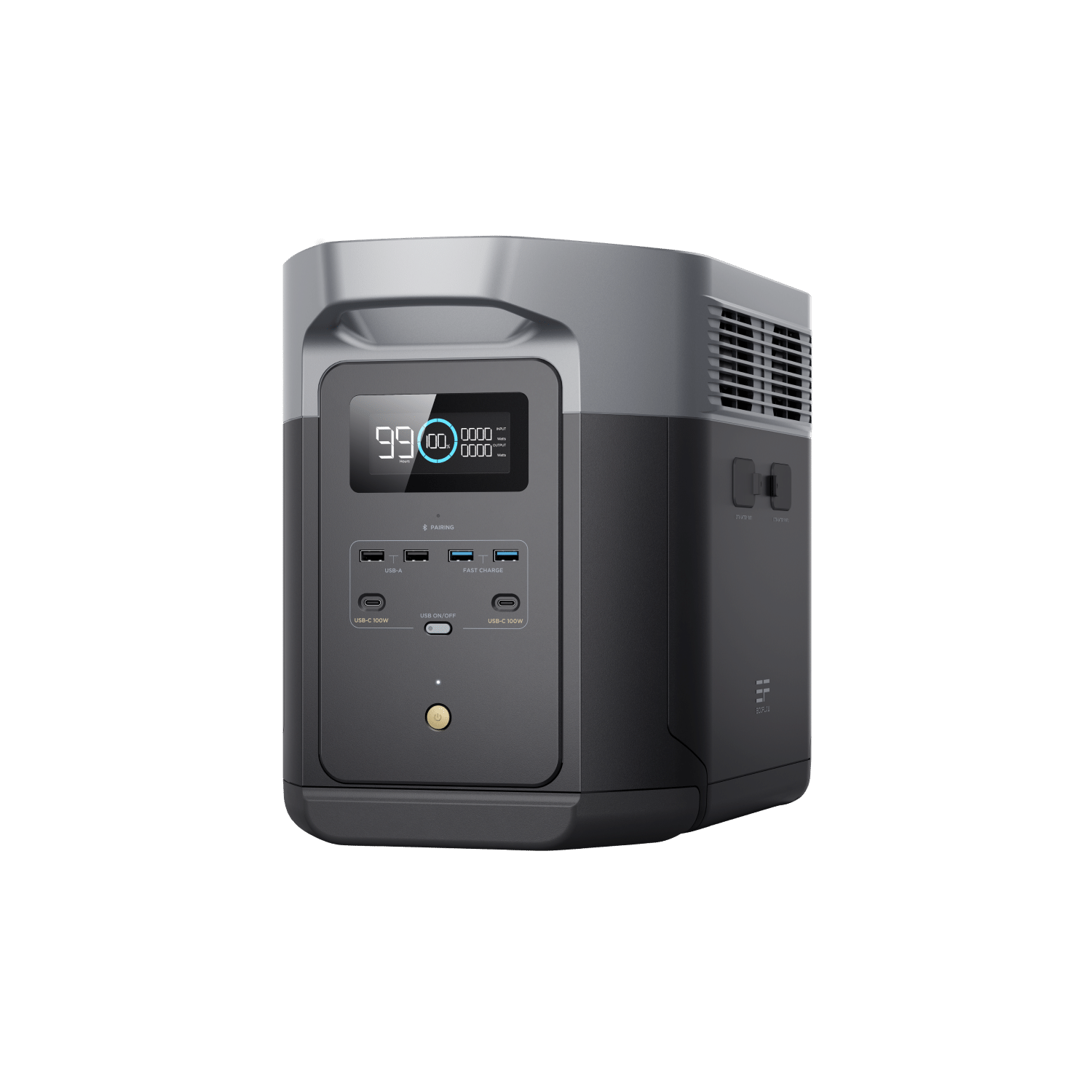
Manufacturer image · EcoFlow specifications EcoFlow DELTA 2 Max 2,048Wh capacity · 2,400W AC output · 120V
For homes without a safe generator location, or a shorter indoor bridge while you arrange recharging.
Know the limit: Stored energy runs out. Confirm motor startup compatibility; boost-mode wattage is not a compressor guarantee.
Check EcoFlow DELTA 2 Max on Amazon ↗ BEFORE YOU BUY
Watts decide what starts. Measure both appliances. Record each appliance’s kWh over 24 hours with an energy meter. Check compressor startup demand separately.Add the loads you will run together. Verify continuous output and startup headroom at the fuel setting you will use.Plan the next charge or refill. A bigger battery still needs recharging. A generator needs safe placement, suitable cords and stored fuel.Size your generator → BATTERY RUNTIME EXAMPLE
How long could 2,048Wh last? Example only: a fridge using 1.0kWh/day plus a freezer using 0.6kWh/day averages about 67W together.
At an illustrative 85% usable capacity, 2,048Wh × 0.85 ÷ 67W is approximately 26 hours with no recharge or other loads.
Your appliances, heat, inverter idle draw and battery condition can shorten that. This energy estimate does not verify compressor startup.
Calculate with your measured load → Protect the people and the food. Use fuel generators outdoors at least 20 feet from doors, windows and vents, with exhaust directed away. Never operate one in a garage or backfeed a home outlet. Use appropriate dry, grounded outdoor cords; household circuits need correctly installed transfer equipment.
Keep appliance thermometers inside and doors closed. An unopened refrigerator keeps food cold for about four hours; a full freezer about 48 hours, or 24 hours when half full. Use food temperature and the official safety chart to decide what to keep.
Practical research for backup power, safe water, dependable food, and the parts that keep everything working.