Longer outages and heavier loads
A portable generator can keep working while you have fuel. Check running output, the largest startup surge, fuel-specific ratings, voltage, and safe outdoor placement.
Size my generatorGENERATORS
Compare inverter, conventional, gasoline, propane, and dual-fuel models by the work they need to do—not the largest number on the box.
START WITH YOUR LOAD
Pick the power source that fits how you will use it, then check your watts before ordering.
A portable generator can keep working while you have fuel. Check running output, the largest startup surge, fuel-specific ratings, voltage, and safe outdoor placement.
Size my generatorA battery power station can support a refrigerator, internet, lighting, and small devices without combustion exhaust. Calculate usable watt-hours and a realistic recharge plan.
Compare backup systemsFuel-burning generators must run outdoors, away from doors, windows, and vents. Never backfeed a home. Product fit and Amazon availability must be checked on the retailer page before purchase.
TOP PICKS
Choose by the job you need done. Every pick includes the main reason it stands out and the tradeoff to check before ordering.
| Model | Continuous / peak output | Fuel | Voltage | Best starting point |
|---|---|---|---|---|
| Honda EU2200i | 1,800W / 2,200W | Gasoline | 120V | Refrigeration and modest cord-connected loads |
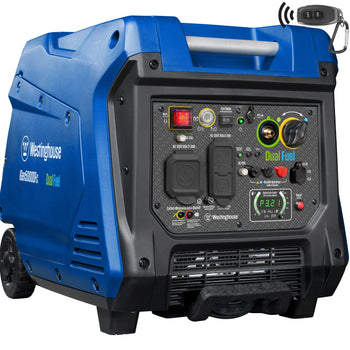
| Westinghouse iGen5000DFc | Gas: 3,900W / 5,000W Propane: 3,500W / 4,500W | Gasoline or propane | 120V | More simultaneous essentials and remote start |
Need a 240V well pump? Neither of these single units supplies 240V. Confirm voltage and the safe connection plan before choosing from wattage alone. Compare exact models below; Amazon search results may include accessories or other versions.
Affiliate disclosure: As an Amazon Associate I earn from qualifying purchases.
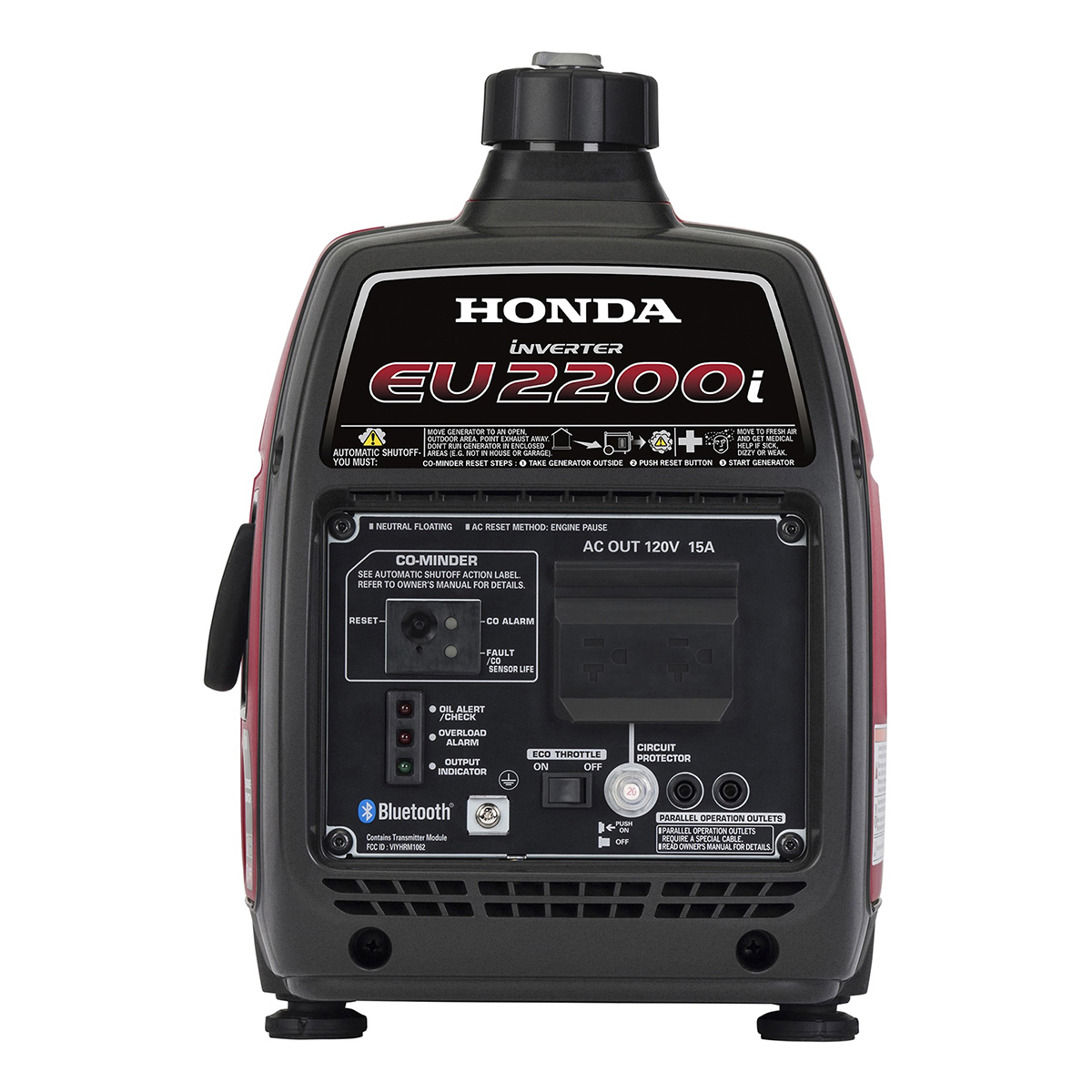
A compact inverter format, strong dealer network, and parallel capability make it a durable benchmark for essential loads.
Light weight and propane compatibility make it convenient for refrigeration, lights, electronics, and charging.
Dual fuel, inverter power, wheels, electric start, and higher running output fit a broader essential-load panel.
A current, relatively light inverter design with gasoline and propane flexibility, electric start, and CO shutoff protection.
It pairs 9,000 starting and 7,250 running watts with inverter operation and a published 10.5-hour quarter-load gasoline runtime.
A current 2026 high-output model with gasoline, propane, natural-gas capability and electronic fuel injection.
A compact dual-fuel format covers a carefully managed refrigerator, electronics, and lights while keeping propane available as a storage-friendly fuel.
A high-output dual-fuel inverter option for owners who need more capacity and want fuel flexibility.
The manual publishes separate running ratings of 9,500W gasoline, 8,550W propane, and 7,000W natural gas, making the fuel tradeoff unusually clear.
BUYING BASICS
Gasoline is widely available but degrades in storage. Propane stores longer and burns cleaner. Dual-fuel models give you options when supply is uncertain.
Motors in refrigerators, pumps, and air conditioners can briefly require much more power when starting. Size for the largest likely surge.
Never run a fuel-burning generator indoors, in a garage, or near openings. Use outdoor-rated cords and a professionally installed transfer solution for home circuits.
DETAILED GUIDES
GENERATORS
Match the generator to essential circuits, fuel storage, noise limits, and a safe connection plan before comparing maximum wattage.
Read the guideGENERATORS
Use propane for storage flexibility and gasoline for maximum output—without overlooking noise, outlet type, maintenance, or safe placement.
Read the guideGENERATORS
Current fuel-generator choices for small essential loads, broader home backup, fuel flexibility, and high-output emergency power.
Read the guideGENERATORS
Compare compact, mid-size, and high-output inverter generators by running watts, fuel flexibility, portability, and connection needs.
Read the guideGENERATORS
Current gasoline, propane, and natural-gas generators compared for output, connection requirements, fuel logistics, and value.
Read the guideGENERATOR ACCESSORIES
Choose approved gasoline containers by capacity, pour control, replacement-part availability, safe storage, and the weight you can handle.
Read the guideGENERATORS
Calculate simultaneous running watts, compressor startup surge, fuel needs, cord size, and safe placement for cold-food backup.
Read the guideSAFETY
Understand the safe path from a portable generator to selected household circuits—and why a cord through a wall outlet is never acceptable.
Read the guideGENERATORS
Size a generator for a well pump by voltage, horsepower, running current, startup surge, and the other loads operating at the same time.
Read the guideGENERATORS
Estimate propane runtime from measured fuel consumption, generator load, cylinder usable capacity, temperature, and reserve margin.
Read the guideGENERATOR ACCESSORIES
Choose the right generator cord by outlet type, amperage, wire gauge, length, and outdoor rating—without creating an unsafe connection.
Read the guideSAFETY
Add battery-powered or battery-backup CO detection near sleeping areas before an outage—and keep the generator outdoors regardless of alarm features.
Read the guideGENERATORS
Size backup power for the furnace blower, ignition, controls, condensate pump, and startup surge—not the heat output on the furnace label.
Read the guideGENERATORS
Choose a generator from measured essential loads, fuel, voltage, connection equipment, runtime, noise, and carbon-monoxide safety.
Read the guideSAFETY
Place a portable generator far enough from doors, windows, vents, garages, and neighbors to reduce carbon-monoxide exposure.
Read the guideSAFETY
Protect a portable generator from rain without moving it into a garage, porch, shed, or unsafe enclosure.
Read the guide